


Blog
Findings from Studies on KLOW Peptide Research

Sellers commonly describe an “80 mg” KLOW vial as 50 mg of GHK-Cu plus 10 mg each of KPV, BPC-157 and TB-500.
The human trials people cite for “TB-500” tested the full-length thymosin beta-4 protein, not the fragment. Because no official standard defines KLOW, nothing requires one seller’s vial to match another’s.
There is no study of an injected four-peptide blend on hair growth in humans, and the leap from “copper peptides appear in shampoos” to “KLOW regrows hair” is not supported. The reports nonetheless describe gut comfort as one of the earliest changes noticed, often inside one to two weeks. KPV’s colitis data is the most methodologically solid work behind any KLOW component (and BPC-157 has extensive rodent gastrointestinal literature), having originally been isolated from gastric juice. For how the individual compounds compare, see our guide to peptides for injury recovery. Dermal collagen remodelling genuinely runs on a scale of weeks to months, so reports clustering at four to eight weeks land where the biology would put them rather than where enthusiasm would.
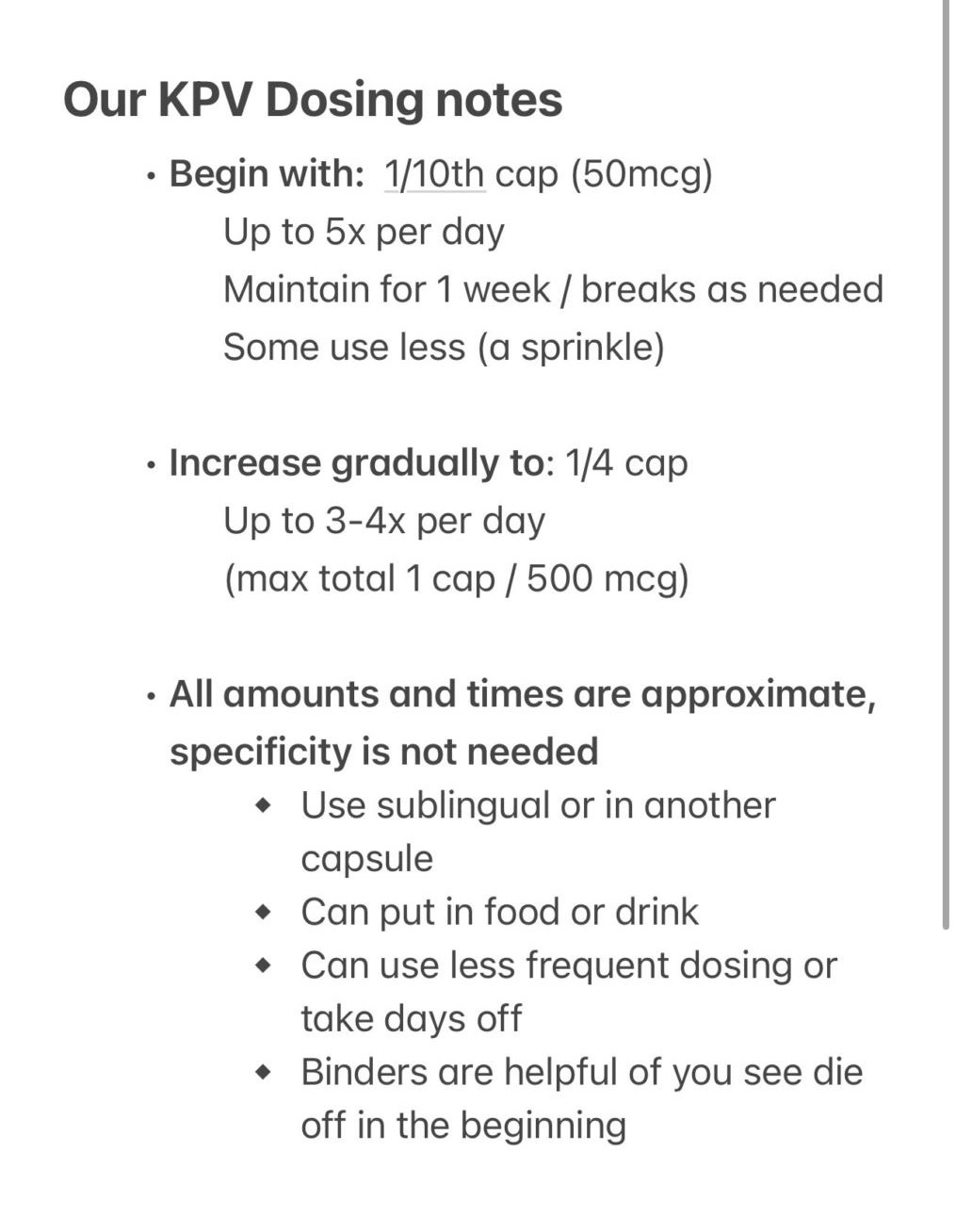
Some people cycle (3 months on, 1 month off) to prevent receptor downregulation, though there’s limited evidence this is necessary with these specific peptides. GHK-Cu is commonly formulated into creams and serums for skin and wound care. I use that 10-unit draw daily for active protocols, then taper to every other day once improvement plateaus. The 10-unit draw on a 2 mL mix is where most people land.
There is no recognised pharmaceutical KLOW formulation and no established clinical indication for the four-compound combination. It may also interest people already familiar with GLOW who want to understand why KPV is added to create KLOW. It has not yet been established through controlled trials of the complete KLOW blend.
Combined with TB-500 , wound healing, and KPV (skin anti-inflammation), the blend could support skin repair processes. It is important to note that the synergy between these peptides is a theoretical concept based on the complementarity of mechanisms. This diversity of targets reduces the risk of redundancy and maximizes coverage of repair mechanisms. A phase II human trial was initiated for ulcerative colitis — with encouraging preliminary results.

GLOW is the preferred starting point for most repair and collagen protocols. This means a KLOW protocol can include oral administration of these components for gut-specific targeting alongside subcutaneous injection for systemic effects. Where the three components of GLOW address blood supply (cell mobilisation), and collagen synthesis, KPV addresses the inflammatory environment that can suppress all three of those repair mechanisms. A single overall purity figure for a blend does not confirm that each peptide within it meets the research-grade standard. We found no published study of KLOW (or of all four of its ingredients together), in people or animals.
What Differentiates Legal Research Sales from Prohibited Marketing
Anyone who is pregnant, has an active cancer diagnosis, or has a compromised immune system should speak with a physician before starting any peptide protocol. GHK-Cu has some of the stronger human-relevant data (particularly around collagen synthesis), while the other three rely more heavily on preclinical findings that have not yet been fully confirmed in people. KLOW is a compounded product, meaning it is prepared by a pharmacy rather than manufactured and approved as a standardized drug. Deeper changes, including visible skin improvements and more complete tissue recovery, tend to show up further into the protocol. Many people researching KLOW peptide benefits also come across GLOW — a related three-peptide blend.
All such compounds are intended for research purposes only and not for human consumption. With a four-ingredient blend, quality checks matter even more, because each peptide needs to be confirmed. This guide explains what is in KLOW (what each ingredient has been studied for), and what is still unknown. FDA states that compounded drugs are not FDA-approved and do not undergo the same premarket verification of safety, effectiveness and quality. Our GLOW guide explains the three-ingredient blend separately. A reliable timeline has not been established for this blend.
At 12 weeks (GHK-Cu users reported greater satisfaction), while blinded assessments found no significant advantage in wrinkles, redness or overall skin quality.15 The result supports further investigation of that topical preparation alongside wound care. GHK-Cu, particularly in topical form, has the most established research, mainly for skin and collagen support. There’s no FDA-approved dosing guideline for this blend (since it isn’t an approved product), so dosing varies by provider and is typically set based on individual goals and body weight rather than a standardized chart. Protocols are usually run in cycles (commonly several weeks on followed by a break), rather than continuous long-term use. Current legitimate, well-supported use of GHK-Cu is topical, not injected, which matters if it’s being included in an injectable blend.
The Difference Between In-House and Third-Party Testing of Peptides
In just minutes, the certificate provides answers that re-running an experiment would take weeks to deliver. The crucial moment to pause occurs when aligning the certificate with the lot that arrives, as this document details the specific material rather than the overall product line. This structural class of peptides is also found on lists of substances banned by anti-doping agencies, which is significant for any organization involved with athlete populations. None of the four components in KLOW have obtained marketing authorization as a finished pharmaceutical product.
Others find it convenient to establish a morning routine that includes their peptide protocol. KLOW can be administered at any time of day, but most protocols recommend morning dosing. The abdomen , at least two inches from the navel, is most common. Subcutaneous injection is the standard route for KLOW. The reduced dose provides ongoing support for skin health, immune function, and systemic inflammation control without the intensity of the optimization phase. Maintenance phase dosing is also appropriate for long-term anti-aging protocols where aggressive tissue repair is not the primary goal.
However — some states require business licensing for companies selling chemical compounds or research materials, and failure to obtain the appropriate license can result in state-level enforcement actions separate from FDA violations. Customs officials may seize shipments that appear to be intended for human consumption based on labeling, quantity, or accompanying materials. While the FDA does not mandate a specific credentialing process for peptide buyers (compliant vendors implement screening mechanisms to confirm that purchasers are affiliated with research institutions), hold relevant academic or scientific credentials, or can provide documentation of an ongoing research protocol.

What the research actually supports
Still, 12 people with no comparison group can’t separate the treatment from placebo or from symptoms easing on their own. Nobody in the study got a comparison treatment, and all the results were self-reported. The same review rated the evidence at the lowest levels and found only one clinical study in people that fit its sports-medicine scope , Vasireddi et al. 2025,.
At Molecular Solutions Peptides, our KLOW peptide blend is engineered to support researchers seeking precision reagents for multi-component laboratory work. Products are not intended for human consumption or for use as cosmetics, food additives, chemicals, drugs, or any application outside stated research use. Sourcing variations can introduce minor structural inconsistencies that compromise experimental controls and strain reagent budgets.